
The artificial intelligence revolution is no longer a future prediction; it is the current operational reality. However, a significant disconnect threatens to derail digital transformation efforts globally: the AI skills gap. As generative AI and machine learning models evolve at breakneck speeds, the workforce—from entry-level coders to C-suite executives—is struggling to keep pace.
For HR leaders and business strategists, the challenge is twofold: mitigating the fear of displacement and rapidly deploying infrastructure to upskill employees. The solution lies not just in hiring new talent, which is scarce and expensive, but in leveraging tools for overcoming the AI skills gap within your existing teams. This article applies a semantic SEO framework to guide you through the ecosystem of technologies designed to turn this liability into your organization’s greatest asset.
Understanding the AI Skills Gap: It’s Not Just About Coding
Before selecting tools, it is crucial to define the scope of the problem. Semantic analysis of industry trends suggests the gap exists in three distinct layers:
- Technical Fluency: The ability to build, fine-tune, or train small language models to meet specific business needs (Engineering/IT).
- Operational Literacy: The ability to use AI tools (like ChatGPT, Midjourney, or Copilot) to enhance productivity in non-tech roles (Marketing, HR, Admin).
- Strategic Oversight: Understanding AI ethics, governance, and business impact (Leadership).
Traditional learning methods are too slow for this tripartite challenge. Static video courses become obsolete within months. This is where AI-powered adaptive learning tools come into play.
Top Categories of Tools for Overcoming the AI Skills Gap
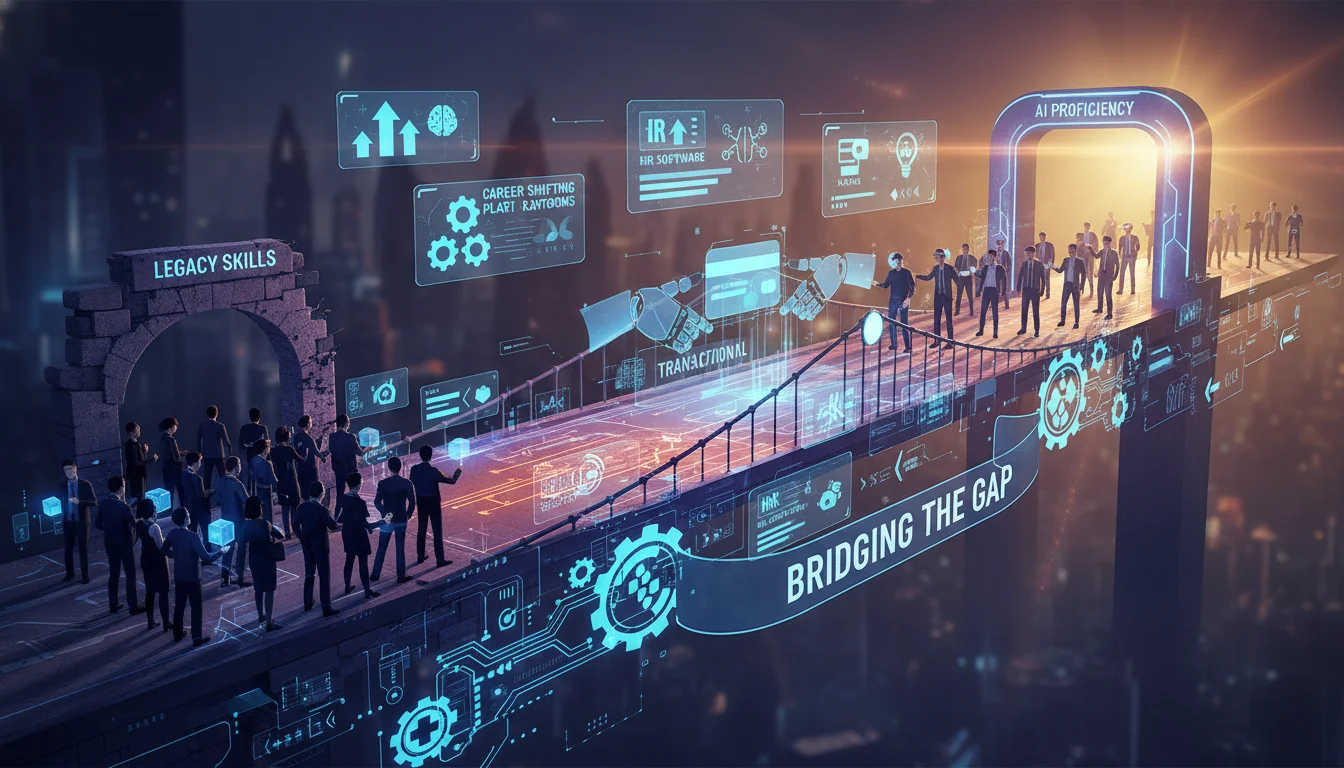
To effectively bridge the divide, organizations must move beyond generic Learning Management Systems (LMS) and adopt specialized stacks. Here are the essential categories of tools required for a robust upskilling architecture.
1. AI-Powered Learning Experience Platforms (LXPs)
Unlike a traditional LMS that merely houses content, an LXP uses AI to personalize the learning journey. These platforms analyze an employee’s current skill set and role requirements to recommend hyper-relevant content.
- Degreed: A leader in upskilling, Degreed acts as a front door to learning, aggregating content from internal sources and external providers. Its data-driven approach helps identify skill gaps in real-time.
- EdCast (by Cornerstone): uses AI to curate a personalized feed of learning content (articles, podcasts, videos) directly in the flow of work, integrated with tools like Slack and Microsoft Teams.
2. Technical Skill Sandboxes and Interactive Platforms
For technical teams, passive learning is ineffective. Tools that offer "sandboxes"—safe, isolated environments to write code and test models—are essential. Using vibe coding platforms for beginners can also lower the barrier to entry for non-technical staff looking to understand the fundamentals of AI development.
- DataCamp & Codecademy: These platforms offer interactive, browser-based coding environments specifically tailored for Python, R, and SQL—the languages of AI. They have pivoted heavily toward AI literacy tracks, offering hands-on experience with building LLMs (Large Language Models).
- Pluralsight Flow: Beyond just courses, Pluralsight offers assessments (Skill IQ) that benchmark your team’s proficiency against industry standards, giving you a clear map of where the gaps are.
3. Generative AI Adoption & Training Suites
To teach employees how to use GenAI, you need platforms that simulate these environments or provide guarded access.
- Microsoft Viva Learning: Deeply integrated with the Microsoft 365 ecosystem, this is pivotal for organizations adopting Copilot. It ensures employees aren’t just given the tool but are trained on prompt engineering and output validation within their daily workflow.
- Writer (formerly Qordoba): An enterprise-grade generative AI platform that not only helps write content but enforces brand voice and trains users on how to co-edit with AI, bridging the literacy gap for marketing and comms teams.
4. Skills Intelligence & Assessment Software
You cannot fix what you cannot measure. Skills intelligence tools use AI to infer skills from employee data (resumes, project history) to build a dynamic skills inventory.
- TechWolf: An API-first platform that connects to your existing HR stack to infer employee skills and identify gaps automatically, without requiring manual data entry from employees.
- Gloat: A talent marketplace that matches employees to internal gigs and projects based on their skills and upskilling goals, fostering on-the-job learning.
Strategic Implementation: The Koray Framework for Adoption
Adopting these tools requires a semantic shift in organizational culture. It is not enough to purchase a subscription; you must integrate the concept of "continuous AI evolution" into the company entity.
Phase 1: The Audit
Use Skills Intelligence Software to map the current state. Identify which departments are at high risk of obsolescence and which have "hidden champions"—employees already experimenting with AI.
Phase 2: The Pilot
Deploy Interactive Sandboxes to a pilot group. Focus on high-impact, low-risk teams. For example, equip your customer support team with AI-assisted response training tools.
Phase 3: The Integration
Roll out an LXP that connects learning to career progression. Ensure that completing an AI proficiency track leads to tangible rewards, such as badge certification or eligibility for new projects.
Why Most Companies Fail at AI Upskilling
The common failure mode is treating AI upskilling as a one-time seminar. AI is a dynamic entity; the tools update weekly. A successful strategy requires agile learning ecosystems where the content updates as fast as the software.
Furthermore, neglecting the "human in the loop" aspect is fatal. Tools must emphasize augmentation rather than automation. When employees understand that these tools are designed to remove drudgery rather than their jobs, adoption rates skyrocket.
Frequently Asked Questions (FAQ)
How do I identify the AI skills gap in my organization?
Start by using skills assessment software like Pluralsight IQ or TechWolf. Alternatively, conduct a survey regarding "AI comfort levels" and audit current workflows to see where AI could be applied but isn’t due to a lack of knowledge.
Are free tools enough to overcome the AI skills gap?
For individuals, free resources (like YouTube or massive open online courses) are excellent. However, for organizations, free tools lack the tracking, reporting, and security features necessary for a coordinated workforce transformation. Enterprise LXPs provide the necessary analytics to prove ROI.
What is the most critical AI skill to teach non-technical employees?
Prompt Engineering and AI Ethics. Teaching employees how to query AI models effectively and how to verify the accuracy of the output is more valuable than teaching them the underlying code.
How long does it take to close the AI skills gap?
It is an ongoing process, but basic operational literacy can be achieved in 3 to 6 months with the right tools. Mastery of technical AI development requires 12 to 24 months of sustained learning and sandbox practice.
Conclusion: The Future Belongs to the Learners
The panic surrounding the AI skills gap is justified, but it is also solvable. We are in a transition period comparable to the industrial revolution or the dawn of the internet. The winners of this era will not necessarily be the companies with the most powerful AI models, but the companies with the most AI-fluent workforce.
By leveraging the right mix of LXPs, sandboxes, and skills intelligence platforms, you can transform the "AI threat" into an engine for unprecedented growth. The tools for overcoming the AI skills gap are available; the only missing variable is the strategic will to implement them.