
The Era of the "Prosumer": Why the Past is Your Future Growth Engine
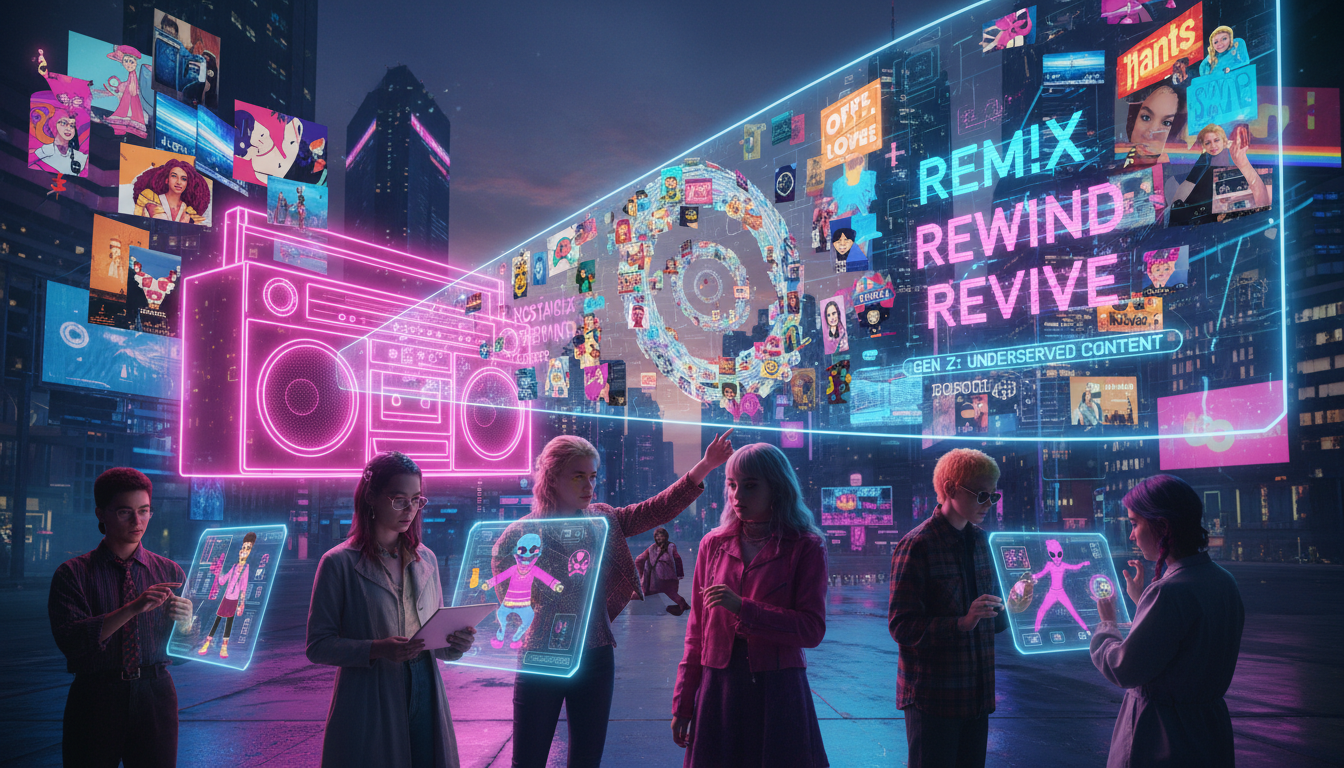
In the rapidly evolving landscape of digital marketing, a paradox has emerged: the most forward-thinking strategies are deeply rooted in the past. We are witnessing the rise of the Nostalgic Remix Marketing Strategy—a sophisticated blend of brand heritage and the modern creator economy. This is not merely about re-releasing old commercials or using retro fonts; it is a fundamental shift in how Intellectual Property (IP) is managed, distributed, and consumed by Generation Z.
For decades, brands guarded their IP with litigious fervor. Today, however, the most successful tech and lifestyle companies are flipping the script. They are actively encouraging the remixing of their assets. Why? Because for Gen Z, consumption is inextricably linked to creation. They do not just want to watch; they want to edit, filter, mashup, and own a piece of the narrative. This guide explores the semantic depth of remix culture, offering a strategic framework for CMOs and content strategists to deploy nostalgic remix campaigns that drive engagement, loyalty, and high-authority search visibility.
Understanding the Nostalgic Remix Marketing Strategy
Defining the Concept in the Age of Web3 and AI
At its core, a nostalgic remix marketing strategy involves taking legacy brand assets—jingles, logos, characters, archival footage, or physical products—and releasing them into the digital wild with the specific intent of user modification. It leverages Semantic SEO principles by associating entities like "Brand Heritage" with "User-Generated Content" (UGC) and "Viral Trends."
This strategy operates on two psychological levers:
- Nostalgia (The Hook): It provides a sense of comfort and familiarity in a chaotic world. Even Gen Z, who may not have lived through the 90s or Y2K era, experiences "anemoia"—nostalgia for a time they never knew.
- Remixability (The Action): It satisfies the urge for creative expression. Platforms like TikTok, Instagram Reels, and Roblox are built on the infrastructure of remixing (duets, stitches, audio sampling).
The Shift from Passive Consumption to Active Co-Creation
Traditional marketing follows a broadcast model: Brand → Consumer. The remix strategy utilizes a network model: Brand → Creator → Community → Brand. By democratizing access to your IP, you transform your audience from passive consumers into active brand ambassadors. This reduces the cost of content production while exponentially increasing reach through algorithmic amplification.
The Psychology of the Remix: Why Gen Z Engages
The "Co-Authorship" Effect
Gen Z values authenticity and autonomy. When a brand allows its IP to be remixed, it signals trust. It invites the audience to become co-authors of the brand’s evolving story. This creates a deeper emotional investment than a standard display ad ever could. When a user creates a lo-fi hip-hop beat using a Windows 95 startup sound, they aren’t just engaging with a meme; they are reinforcing Microsoft’s brand equity through a modern cultural lens.
Anemoia and the aesthetic of "Imperfect"
The polished, overly curated aesthetic of the 2010s Instagram era is dead. The nostalgic remix thrives on the "lo-fi," the glitchy, and the imperfect. This aligns perfectly with the raw, chaotic energy of current internet culture. Strategies that embrace grainy footage, pixel art, and bit-crushed audio signal to the algorithm and the audience that the brand is culturally literate.
Strategic Framework: How to Execute a Nostalgic Remix Campaign
1. Audit and Open-Source Your IP Assets
The first step is a content audit. Identify assets that hold "latent nostalgia." These are elements of your brand that are recognizable but perhaps dormant.
- Visuals: Old logos, mascots, packaging designs, vintage advertisements.
- Audio: Jingles, startup sounds, iconic catchphrases.
- Narrative: Retired products or forgotten lore.
Once identified, create a "Remix Kit." High-performing tech companies are now hosting asset libraries specifically for creators. Provide high-resolution files, stems for audio, and green-screen ready video clips. Make access frictionless.
2. Leverage the Right Platforms and Tools
Not all platforms support remix culture equally. Your strategy must focus on ecosystems that prioritize derivative works.
- TikTok & YouTube Shorts: The primary engines for audio and video remixing. Utilize "CapCut" templates to lower the barrier to entry for users.
- Roblox & Fortnite (UEFN): For brands with visual IP, allowing users to incorporate brand assets into their own game maps is the ultimate form of remixing.
- AI Generative Tools: Encourage the use of specific AI prompts or tools that generate new variations of your classic products.
3. Navigate the Legal Gray Areas
This is the most critical component for corporate buy-in. You must shift from a "Copyright Protection" stance to a "Permissive License" stance for specific campaigns. Clear guidelines are essential. Explicitly state that creators can use the provided assets for non-commercial social content. This creates a "safe harbor" for fans to express themselves without fear of DMCA takedowns, fostering a positive sentiment around the brand.
Case Studies: Who is Winning the Remix Game?
The Barbie Movie: The Ultimate Remix
While a massive budget production, the marketing strategy for the Barbie movie was a masterclass in remix culture. They provided the "This Barbie is a…" selfie generator. It was a simple template that allowed millions of users to insert themselves into the brand’s IP. It wasn’t just a poster; it was a participatory event.
Burger King’s Glitch Strategy
Burger King has frequently utilized nostalgia by reviving the "King" mascot in various, often surreal, internet-native formats. By allowing the character to be meme-ified, they kept a legacy fast-food brand relevant in high-tempo digital conversations.
Adobe and the Creator Economy
As a B2B/B2C hybrid, Adobe champions remix culture by providing the very tools (Photoshop, Premiere) needed to execute it. Their content strategy focuses heavily on showcasing how creators remix the world around them, effectively positioning their software as the brush for the modern digital renaissance.
Semantic SEO and the Remix Trend
To rank for terms related to this strategy, content must bridge the gap between marketing theory and pop culture trends. Search engines are looking for topical authority that connects "marketing strategy" with "Gen Z behavior."
Key Semantic Entities to Include:
- User-Generated Content (UGC) strategy
- Brand equity revitalization
- Digital ownership and NFTs (where relevant)
- Viral loop engineering
- Participatory marketing
- Retro-marketing trends
By structuring content around these entities, you signal to Google that your article is not just about "nostalgia" (a broad term) but about the business application of nostalgia in a remix context.
The Role of Generative AI in Remix Marketing
Generative AI is the accelerant for this fire. Tools like Midjourney and Stable Diffusion allow users to "remix" brand concepts with zero technical skills. A shoe brand might ask users to "Imagine our 1985 sneaker on Mars" using AI. The result is thousands of high-quality, brand-adjacent images flooding social feeds, all generated by the community. This "AI-Assisted Remixing" is the next frontier of the strategy, lowering the barrier to creation to near zero.
FAQ: Navigating Nostalgic Remix Marketing
What is the difference between retro marketing and remix marketing?
Retro marketing is the brand re-releasing an old product or ad (one-way). Remix marketing provides the assets of that old product to the public and asks them to change, update, or parody it (two-way/participatory).
Is remix marketing safe for brand safety?
There is always a risk when handing control to the internet. However, the risk of irrelevance is often higher than the risk of a few off-brand memes. Clear community guidelines and active social listening can mitigate negative outcomes. The authenticity gained usually outweighs the loss of strict control.
How do I measure the ROI of a remix campaign?
Do not rely solely on impressions. Look at "Remix Rate" (how many users used your sound/template), "Share of Voice," and "Sentiment Analysis." High engagement on remix content signals deep brand affinity.
Can B2B brands use nostalgic remix strategies?
Absolutely. B2B brands can remix their own history—old manuals, legacy software interfaces, or industry myths. It humanizes the brand and appeals to the decision-makers who grew up with that technology.
Conclusion
The Nostalgic Remix Marketing Strategy is not a fleeting trend; it is the natural evolution of intellectual property in a digital-first world. We have moved from the Information Age to the Creator Age. Brands that lock their heritage in a vault will fade into obscurity. Brands that hand the keys to the next generation, inviting them to remix, reimagine, and rebuild, will secure their place in the cultural zeitgeist. To win Gen Z, you must understand that your brand is no longer just a product—it is a platform for their creativity.